
Why Small Brands Need Sharper Thinking, Not Bigger Budgets
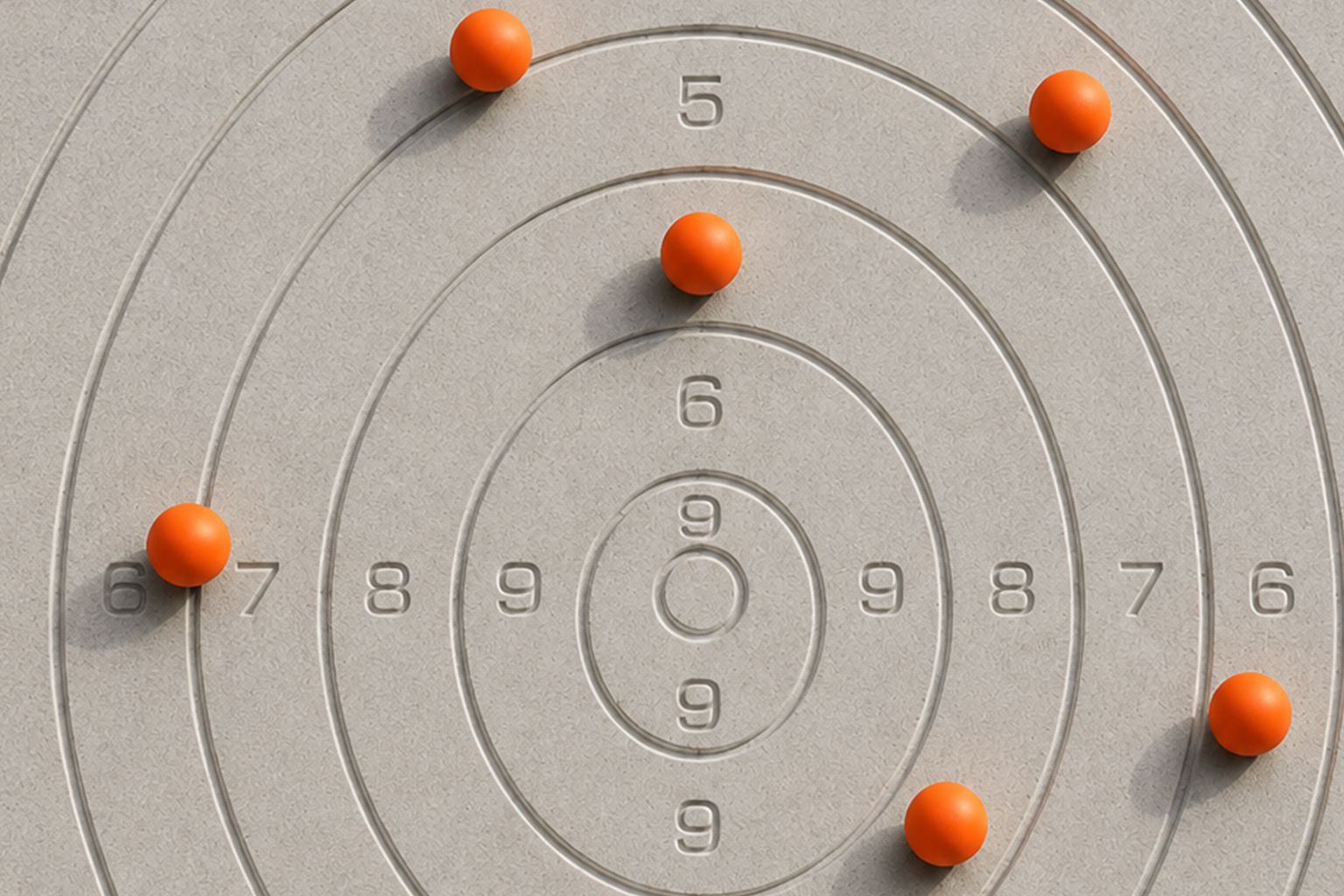
There's a persistent idea in marketing that bigger brands win because they have bigger budgets. More media. Bigger teams. Better production. More content. More everything.
And yes, money helps.
But for smaller brands, trying to compete by simply doing more is usually the wrong game.
You probably won't outspend the category leader. You won't have their media budget, their 20-person marketing department or their ability to throw money at five ideas knowing only one needs to work.
So don't.
Small brands don't need to look bigger. They need to think sharper.
The advantage of having less
Constraints get a bad reputation.
A smaller budget means fewer campaigns. A smaller team means fewer hands. A younger brand means less awareness and less room for mistakes.
But constraints also force decisions.
When you can't afford to say everything, you have to decide what actually matters. When you can't target everyone, you have to know exactly who you're trying to reach. When you can't be everywhere, you have to choose where showing up will make a difference.
That discipline is often exactly what established brands lose as they grow.
More budget creates more possibilities. More possibilities create more stakeholders, more channels, more campaigns and, very often, more noise.
Small brands have an opportunity to do the opposite. One audience. One clear problem. One compelling reason to care. That can be incredibly powerful.
Clarity is cheaper than attention
Getting someone's attention is expensive. Making sure they understand you once you have it shouldn't be.
Yet plenty of growing businesses invest in websites, paid media, social content and production before answering some fairly fundamental questions:
What are we actually selling? Why should someone choose us? Who is this really for? What do we want to be known for? Why should anyone care?
Without good answers, increasing the marketing budget often just means paying to put an unclear message in front of more people.
A £50,000 campaign can't fix positioning nobody understands. A beautiful website can't rescue a proposition that sounds like everyone else. And posting five times a week won't create relevance if there's nothing distinctive to say.
Before buying more attention, make sure the attention you already get is worth something.
Punching above your weight isn't about pretending to be bigger
We hear the phrase punching above your weight a lot.
It's often interpreted visually: premium branding, expensive-looking photography, a slick website. Those things matter. Perception matters.
But looking established is only one part of it.
The brands that genuinely punch above their weight tend to have something more valuable: they feel unusually clear. You understand what they do quickly. Their point of view is recognisable. Their identity feels intentional. Their product, brand and marketing tell roughly the same story. And they repeat that story consistently enough that people start remembering it.
That creates confidence. Not because the business is pretending to be bigger than it is, but because it knows exactly what it wants to be.
Spend on the thinking before the things
For a smaller business, every marketing decision carries more weight.
That's why strategy shouldn't be the expensive bit you add once the company becomes successful. It's what helps you avoid wasting money while getting there.
Before commissioning the campaign, work out the message. Before redesigning every touchpoint, understand what needs to change. Before producing 30 pieces of content, decide what you actually have to say. Before adding another channel, ask whether your customer is really there. Before increasing the media budget, make sure the proposition deserves amplification.
Sometimes the answer will still be: spend more. But at least you'll know what you're spending on and why.
Small doesn't mean unsophisticated
There's also a strange assumption in the agency world that strategic thinking belongs to large clients.
Big businesses get workshops, senior strategists, research and careful positioning. Smaller businesses get a logo package, some social templates and a monthly content calendar.
We think that's backwards.
Smaller brands arguably need sharper strategic thinking more, because they have less margin for waste. If you have £10 million to spend, a few inefficient decisions probably won't sink the year. If your entire marketing budget is a fraction of that, every decision matters.
Where you play matters. What you say matters. What you don't do matters. And the partner helping you make those decisions matters too.
You don't need everything
One of the most useful things an agency can tell a growing brand is: You don't need that yet.
You might not need TikTok. You might not need a full rebrand. You might not need a six-month campaign. You might not need another 40-page strategy deck. And you definitely don't need every service an agency happens to sell.
What you need depends on where the business is now, what is stopping it from moving forward and what will create the greatest impact with the resources available.
Sometimes that's positioning. Sometimes it's identity. Sometimes it's a better website. Sometimes it's a campaign. Sometimes it's simply making a complicated product much easier to understand.
The point isn't to do less for the sake of doing less. It's to make fewer, better decisions.
The smartest small brands aren't trying to look small
Nor are they desperately trying to look enormous.
They're building something credible enough to sit comfortably next to businesses ten times their size. They know what they stand for. They communicate it clearly. They invest where it counts. And they resist filling every empty space with more marketing.
Because when resources are limited, clarity becomes a competitive advantage.
You don't need the biggest budget in the room. You need to know exactly what you're doing with the one you have.
June19 is a brand and marketing agency for innovative businesses and products. We help ambitious teams sharpen their positioning, simplify complex ideas and build brands that can punch above their weight.